How to Choose the Best Maternity Pads for Wholesale
Choosing the best Maternity Pads for wholesale requires more than comparing prices. Buyers must examine comfort, absorbency, materials, packaging, and supplier reliability. New mothers often use pads for many hours, especially during the first days after childbirth. A rough surface, weak adhesive, or poor fit can quickly create discomfort. Small details matter.
Experienced wholesalers usually request product samples before placing large orders. Test several sizes with controlled liquid measurements. Check how quickly the core absorbs moisture and whether the surface remains reasonably dry. Examine the backing for leaks around the edges. Soft cotton-like layers may feel gentle, but softness alone does not prove performance. Claims should match test records, product specifications, and available quality documents.
Supplier communication also deserves close attention. Reliable manufacturers explain material sources, production controls, packaging options, and batch consistency. They should answer practical questions without vague promises. Ask about minimum order quantities, lead times, storage conditions, and inspection procedures. Market requirements can differ, so verify current standards with qualified local professionals before distribution. A supplier with clear documentation is usually easier to manage.
No checklist is flawless. Real user feedback may reveal problems that laboratory testing misses. One shipment may perform differently from another if controls are weak. Therefore, wholesalers should review samples, inspect incoming goods, and track customer comments after launch. The right Maternity Pads balance protection, comfort, stable supply, and responsible pricing. Quality should remain visible at every step.
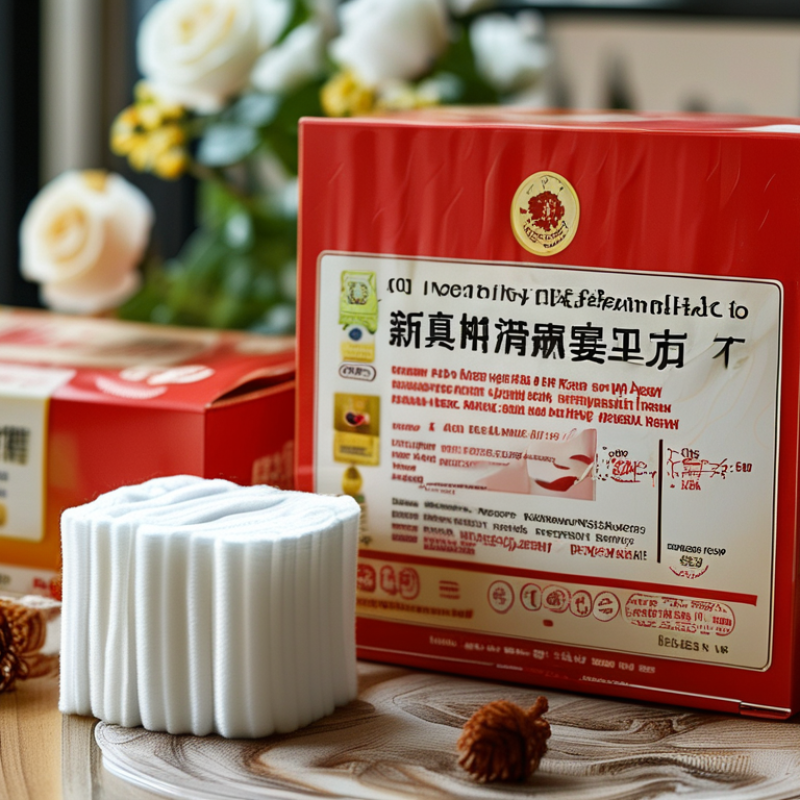
Understanding the Purpose and Types of Maternity Pads
Maternity pads are designed for lochia, the bleeding and discharge that follow childbirth. They provide a wider absorbent core, softer surfaces, and stronger protection against side leakage. Unlike tampons, pads allow bleeding to remain visible. The NHS advises using maternity pads rather than tampons during early postpartum recovery, because internal products may increase infection concerns.
Purpose matters more than appearance. Standard pads suit lighter daytime flow, while extra-long or overnight pads offer greater coverage during rest. Disposable postpartum underwear can help after heavy bleeding or limited mobility. Reusable cloth pads may reduce waste, but they require careful washing and complete drying. Each type serves a different moment.
The World Health Organization reports that postpartum haemorrhage affects about 14 million women annually and causes around 70,000 deaths. Pads cannot prevent or treat this emergency. Wholesale buyers should therefore avoid unsupported absorbency claims and provide clear change guidance. A practical range should include different lengths, thicknesses, fastening designs, and skin-friendly materials. Check absorbency with controlled testing, not hand-feel alone. Small details matter, such as a secure adhesive strip and individually wrapped units. Still, “best” is not universal. I would test samples with postpartum users before committing to large quantities, because comfort feedback can challenge laboratory assumptions. Any unusually heavy bleeding, dizziness, fever, or worsening pain requires prompt medical attention, according to postnatal care guidance from the WHO and NHS.
How to Choose the Best Maternity Pads for Wholesale
Understanding the Purpose and Types of Maternity Pads
How to read this chart: Postpartum bleeding, known as lochia, is usually heaviest during the first few days after birth and gradually becomes lighter. The relative flow index is an educational comparison rather than a measured medical volume.
Wholesale selection guidance: Stock highly absorbent, wider maternity pads for the early postpartum stage, medium-absorbency pads for the transition stage, and slim or regular pads for lighter discharge. Longer lengths, wider back coverage, soft materials, and secure adhesive support comfort and leakage protection.
Important: Postpartum bleeding varies by person. Sudden heavy bleeding, large clots, dizziness, fever, or severe pain requires prompt medical advice.
Evaluating Absorbency, Comfort, and Skin-Friendly Materials
How to Choose the Best Maternity Pads for Wholesale
Evaluating Absorbency, Comfort, and Skin-Friendly Materials
Wholesale buyers should evaluate absorbency beyond the printed capacity number. A maternity pad must handle heavy postpartum flow without leaking during movement. Request laboratory test reports and product samples from each supplier. Test them with measured liquid, then leave them flat for several minutes. Check wetness, side leakage, and backsheet moisture. A higher absorption figure is not always better. Liquid distribution matters too.
Comfort depends on shape, thickness, flexibility, and adhesive stability. A long pad can offer better coverage, but it may feel bulky under clothing. Wider wings should hold securely without pulling sensitive skin. During sampling, wear the pad while sitting, walking, and resting. Small differences become obvious after several hours. I once judged a sample as comfortable too quickly; longer wear exposed stiffness near the edges. That mistake changed my inspection checklist.
Skin-friendly materials deserve careful verification. Look for a soft, breathable topsheet and a moisture-locking core. Fragrance-free options may reduce irritation risks for sensitive users. Suppliers should provide material declarations, safety documentation, and relevant quality certificates. Do not rely on vague claims such as “natural” or “gentle.” Ask whether latex, added fragrance, dyes, or harsh processing residues are present. Packaging should also protect cleanliness during storage and transport. Comfort is personal. Wholesale decisions should reflect varied body shapes, skin sensitivities, and real postpartum routines.
Matching Pad Features to Postpartum Recovery Needs
Choosing the best maternity pads for wholesale starts with recovery needs, not packaging. Lochia can change from heavy and bright red to lighter brown, then creamy white. Therefore, buyers should offer multiple absorbency levels and lengths. ACOG defines postpartum hemorrhage as cumulative blood loss of 1,000 mL or more, with signs of low blood volume, within 24 hours after birth. A pad cannot diagnose this condition. It only supports everyday protection.
Tips: Stock extra-long pads with wide back panels for the first days. Add softer, slimmer options for later recovery. Look for breathable topsheets, secure adhesive, flexible edges, and individually wrapped units. Request laboratory results for absorbency, skin safety, and material consistency. “Maximum protection” is not a useful specification without test details.
Fit also changes with delivery method, mobility, and personal sensitivity. A new parent recovering from stitches may prefer a softer surface and less friction. Someone resting in bed may need stronger back coverage. NHS postnatal guidance advises maternity pads instead of tampons during early recovery. Wholesale teams should also check packaging hygiene, carton compression, and clear lot information. These details affect storage and customer trust. A perfect pad does not exist; an overly bulky design may feel secure but discourage regular changing. Retail feedback should be reviewed alongside clinical guidance, not replaced by it.
Checking Wholesale Quality, Packaging, and Supplier Reliability
Choosing the best maternity pads for wholesale requires more than comparing unit prices. Inspect absorbency, softness, and surface dryness through repeated sample checks. Pour a measured amount of fluid onto each pad, then press a clean tissue against the surface. Any visible transfer deserves attention. Check adhesive strength too. A pad that shifts inside underwear can cause discomfort and product complaints.
Packaging affects both hygiene and buyer confidence. Individual wrappers should remain sealed, smooth, and free from pinholes. Outer cartons need strong corners, readable batch details, and moisture protection. Confirm that material information, dimensions, quantity, and storage guidance match the actual product. Packaging should also survive stacking in a warehouse. A neat carton is not enough. During one sample review, the pads looked consistent, but several wrappers opened unevenly. That small weakness could create waste at retail level.
Supplier reliability needs documented evidence, not friendly promises. Request recent quality inspection records, production specifications, and traceability details for each batch. Ask how the supplier handles damaged cartons, delayed shipments, and unexpected quality complaints. Clear answers matter. A dependable supplier should explain lead times, minimum order quantities, replacement procedures, and communication channels before receiving payment. It is sensible to test a smaller wholesale order first, although this may slow purchasing plans. Keep retained samples from every shipment and record inspection results with dates. Even careful checks can miss problems, so review the process after each delivery.
