Top 10 Tips for Successful Joint Replacement Recovery
Joint replacement surgery is a critical option for many patients suffering from debilitating joint pain. According to the American Academy of Orthopaedic Surgeons, over 1 million joint replacement procedures are performed annually in the United States alone. While the surgery can significantly enhance mobility and quality of life, recovery is often overlooked. Dr. Robert B. Peabody, an orthopaedic surgeon, emphasizes, “Successful recovery is just as important as the surgery itself.”
Patients must commit to a recovery plan to realize the full benefits of their joint replacement. Complications can arise, including infections and blood clots, making rehabilitation essential. Data from the National Joint Registry shows that nearly 25% of patients face challenges in their recovery. This highlights the necessity for individualized recovery strategies.
Understanding the recovery process can be daunting. Each patient’s journey is unique; some move swiftly through rehabilitation, while others encounter hurdles. It’s crucial to address potential setbacks and embrace flexibility in the recovery plan. Joint replacement offers hope, but the road to recovery requires diligence and a proactive approach.

Importance of Preoperative Education for Joint Replacement Patients
Preoperative education is crucial for joint replacement patients. It empowers individuals to understand their upcoming surgery and recovery process. Knowing what to expect can reduce anxiety and improve outcomes. Patients gain insights into pre-surgery preparations, including physical therapies and lifestyle adjustments. For instance, learning about exercises to strengthen muscles can enhance recovery.
Many patients do not realize the importance of pre-surgery knowledge. Some may not ask questions or seek additional information. This can lead to uncertainty about the procedure and post-operative care. Engaging with healthcare providers helps clarify doubts. Emphasizing communication fosters a collaborative environment, enhancing patient confidence.
Understanding pain management post-surgery is vital. Patients must learn about medications and non-drug approaches. They should also discuss potential challenges and setbacks. Reflecting on these factors can prepare them for a more effective recovery journey. Empowering patients through education creates a solid foundation for successful outcomes.
Top 10 Tips for Successful Joint Replacement Recovery
| Tip Number |
Tip Description |
Importance |
Recommended Action |
| 1 |
Educate Yourself |
Understanding the procedure and recovery process |
Attend preoperative classes and consult with healthcare professionals |
| 2 |
Prepare Your Home |
Ensure a safe recovery environment |
Remove trip hazards and set up a recovery area |
| 3 |
Follow Preoperative Instructions |
Maximize readiness for surgery |
Adhere to dietary and medication guidelines |
| 4 |
Arrange for Assistance |
Support during recovery is crucial |
Have a trusted friend or family member help |
| 5 |
Stay Active Pre-Surgery |
Improves overall health and recovery speed |
Engage in approved physical activity |
| 6 |
Discuss Pain Management Strategies |
Effective pain control helps enhance recovery |
Talk to your doctor about pain relief options |
| 7 |
Eat a Balanced Diet |
Nutritious meals support healing |
Focus on high-protein and vitamin-rich foods |
| 8 |
Prepare for Physical Therapy |
Essential for regaining strength and mobility |
Schedule therapy sessions in advance |
| 9 |
Maintain Realistic Expectations |
Understanding recovery timelines is important |
Be patient and stay positive |
| 10 |
Stay Hydrated |
Hydration aids in recovery |
Drink plenty of fluids, particularly water |
Understanding the Role of Physical Therapy in Post-Surgery Recovery
Post-surgery recovery from a joint replacement can be challenging. Physical therapy plays a crucial role in this process. According to the American Physical Therapy Association, nearly 85% of patients report significant improvements with physical therapy after such surgeries. A well-structured program can enhance mobility and reduce pain effectively.
Physical therapy helps patients regain strength and flexibility. Therapists often develop customized plans based on individual needs. Research published in the Journal of Rehabilitation Research shows that patients engaged in physical therapy recover faster and experience fewer complications. Patients usually start with gentle exercises to promote healing, gradually increasing intensity as they progress.
However, some may encounter setbacks. Certain patients struggle to follow through with prescribed exercises. It’s vital to address these challenges openly with therapists. Setting realistic recovery goals is essential. Some days will seem difficult, leading to frustration. Recognizing this as part of the journey can foster resilience. The support of a qualified therapist can make a significant difference.
Nutrition Guidelines to Enhance Healing After Joint Replacement Surgery
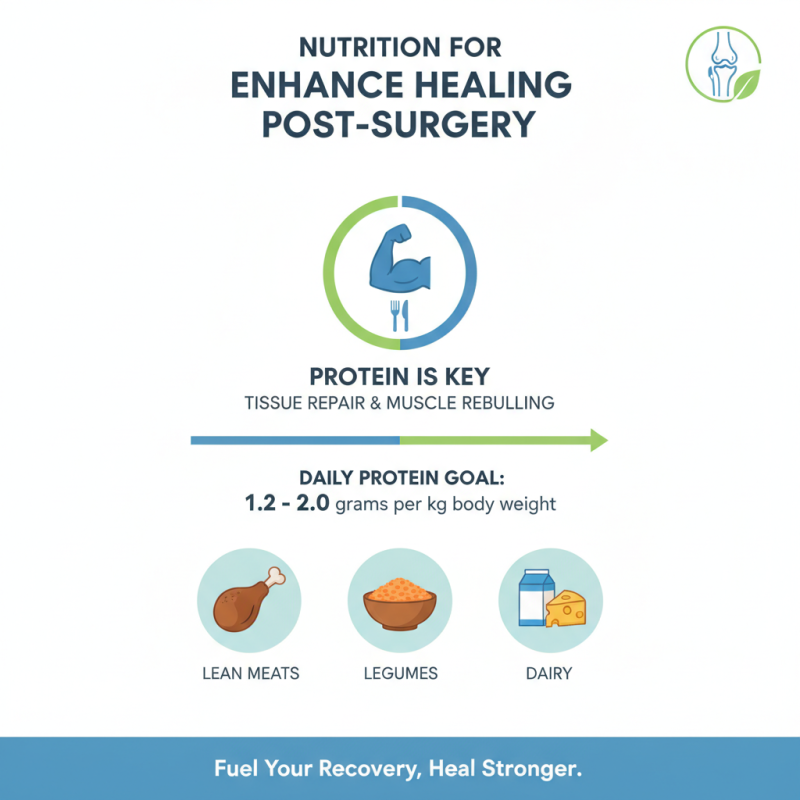
After joint replacement surgery, nutrition plays a crucial role in recovery. Proper dietary choices can significantly enhance healing. Research indicates that protein is vital, aiding in tissue repair and muscle rebuilding. Recommended daily intake ranges from 1.2 to 2.0 grams per kilogram of body weight for post-surgery patients. Foods rich in protein, such as lean meats, legumes, and dairy, should be prioritized.
Hydration is equally important. Water helps transport nutrients and aids in recovery. Patients often underestimate their fluid needs after surgery. Aim for at least 8-10 cups of water daily to maintain optimal hydration levels. Nutrient-dense foods rich in vitamins C and D are essential for recovery. These vitamins support collagen formation, crucial for joint repair. Citrus fruits, leafy greens, and fortified dairy products are excellent sources.
However, many face challenges when adjusting their diets post-surgery. Cravings for unhealthy foods can arise, complicating recovery efforts. Despite having good intentions, some patients may revert to previous eating habits. It's important to reflect on these choices. Small, mindful adjustments can lead to better outcomes. Each meal presents an opportunity to nourish the body and support long-term recovery.
Managing Pain Effectively: Strategies for Joint Replacement Recovery
Effective pain management is crucial for successful recovery after joint replacement surgery. Research shows that nearly 80% of patients experience significant post-operative pain. Understanding and utilizing different strategies can lead to better outcomes.
One effective method is the use of multimodal analgesia. This approach combines different pain relief techniques, reducing reliance on opioids. Studies suggest that patients who engage in this strategy report a reduction in pain scores by 30-40%. Incorporating physical therapy early in recovery can also improve pain management. Gentle movements and stretching can aid in reducing stiffness and enhancing mobility.
Using ice therapy post-surgery can significantly alleviate pain. Applying ice for 20 minutes every hour can help manage swelling and discomfort. It's also important to communicate openly with your healthcare team about pain levels. Adjusting medications based on this feedback ensures more tailored care. Acknowledge that recovery may not be perfectly linear. Some patients experience fluctuations in pain and function. Keeping a pain diary can help track these changes and guide treatment adjustments.
Setting Realistic Goals for Mobility and Function Post Joint Surgery
After joint replacement surgery, setting realistic goals is essential. Post-operative recovery can be challenging. Each individual's healing process is unique. Understanding your physical limits is crucial. Many people feel discouraged at first. It is important to encourage patience. Recovery is not an overnight process.
Begin with small, achievable targets. For instance, aim for short walks around your home. Progress may be slow, and that's okay. Celebrate small victories, like standing without assistance. Consider tracking your mobility progress weekly. This helps in reassessing your goals.
Listen to your body. If an activity causes pain, it may be wise to modify your approach. Consult with healthcare professionals to create a tailored plan. They can guide realistic expectations based on your progress.
Remember, there will be setbacks. Some days may feel tougher than others. Acknowledge these feelings but stay focused on your journey. Each step you take is essential for long-term success. Aim to build strength gradually. Trust the process, and give yourself time to heal.